-
Vehicle Selection & SuitabilityVehicle Selection & Suitability
-
Pre-Desert Vehicle ChecksPre-Desert Vehicle Checks
-
Tire Prep & DeflationTire Prep & Deflation
-
Recovery EquipmentRecovery Equipment
-
Safety & Communication GearSafety & Communication Gear
-
Personal SuppliesPersonal Supplies
-
Navigation & Route PlanningNavigation & Route Planning
-
Driving TechniquesDriving Techniques
-
Emergency ProceduresEmergency Procedures
-
Master ChecklistMaster Checklist
-
FAQsFAQs
What Is New In 2026
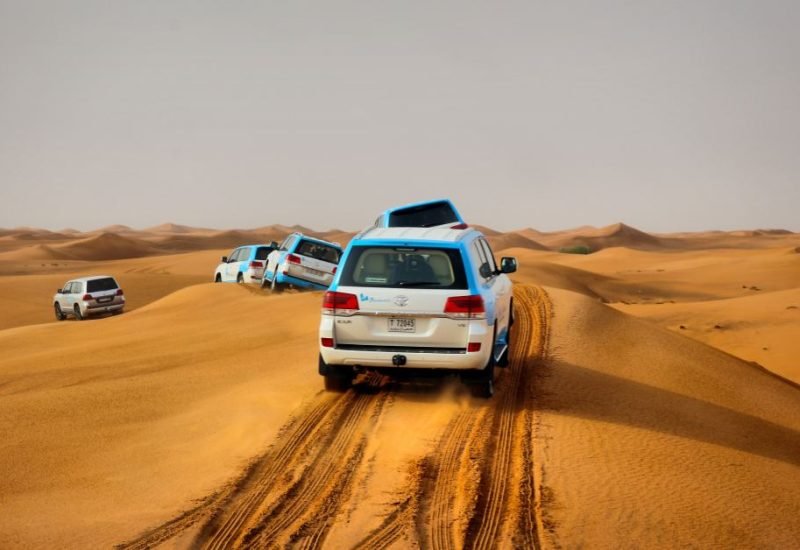
Desert driving remains one of the most popular recreational activities across Dubai, Abu Dhabi, Sharjah, and the wider UAE. From the dunes near Al Qudra to the expansive desert areas around Liwa, UAE residents and visitors enjoy weekend adventures throughout the cooler months.
Proper desert driving preparation is essential for safe and enjoyable experiences. The UAE desert environment presents unique challenges including extreme temperatures, soft sand, remote locations with limited assistance, and rapidly changing conditions. Understanding what preparation is needed before venturing into the sand helps ensure you return safely from your adventure. This guide provides a comprehensive desert driving preparation checklist with practical guidance relevant to UAE conditions.
Author Credentials
This guide is prepared by Noorhan’s automotive service team, which supports vehicle owners and workshops across Dubai, Abu Dhabi, Sharjah, and the wider UAE. The team follows technical service information and practical approaches developed through supporting vehicles used in UAE desert conditions, with particular attention to the demands placed on vehicles during off-road driving.
Scope Of This Information
This guide helps vehicle owners in Dubai, Abu Dhabi, Sharjah, and across the UAE prepare their vehicles and themselves for desert driving. It covers vehicle preparation, safety equipment, recovery gear, personal supplies, and practical guidance for desert conditions.
This information applies to recreational desert driving in the UAE. It does not cover competitive motorsport or extreme expedition driving, which have additional requirements. Recommendations are adapted for typical UAE desert conditions.
This information is for general guidance only and does not replace professional vehicle inspection or off-road driving training. Desert driving carries inherent risks. Always drive within your abilities and your vehicle’s capabilities. Noorhan is not responsible for incidents during desert driving. For vehicle preparation assistance, contact Noorhan.
You are planning a weekend desert adventure with friends or family. The destination might be the dunes near Dubai, the desert areas around Abu Dhabi, or perhaps a longer trip toward Liwa or the Empty Quarter. You have a suitable vehicle and enthusiasm for the experience.
However, the UAE desert environment is unforgiving. Temperatures can exceed 45°C in summer and drop significantly at night during winter months. Soft sand can immobilize even capable vehicles. Mobile phone coverage is limited or absent in many desert areas. The nearest assistance may be hours away.
Proper desert driving preparation transforms a potentially risky activity into an enjoyable adventure. Understanding what checks your vehicle needs, what equipment to carry, and how to handle common situations gives you confidence and capability when driving off-road.
This checklist covers everything you need to consider before your next desert outing.
Contact Noorhan for pre-desert vehicle inspection.
Vehicle Selection And Suitability
Not every vehicle is appropriate for desert driving. The UAE desert, particularly areas with soft sand dunes, requires specific vehicle capabilities that not all SUVs or crossovers possess.
Minimum Requirements For Sand Driving
Four-wheel drive (4WD) or all-wheel drive (AWD) with low-range capability is essential for serious dune driving. Two-wheel drive vehicles should not attempt soft sand regardless of tire type or driver skill. The physics of sand driving require power delivery to all wheels to maintain forward momentum.
High ground clearance helps prevent the vehicle from getting stuck on sand ridges or high-centering on dune crests. Vehicles with less than 200mm of ground clearance will struggle in even moderate sand conditions.
Adequate engine power is needed to maintain momentum in soft conditions. Underpowered vehicles cannot sustain the throttle input required to keep moving through deep sand, resulting in frequent bogging.
| Feature | Minimum Requirement | Recommended | Not Suitable |
|---|---|---|---|
| Drive System | 4WD or AWD | 4WD with low-range transfer case | 2WD vehicles |
| Ground Clearance | 200mm minimum | 220mm or higher | Low-clearance vehicles |
| Engine Power | Adequate for vehicle weight | Turbocharged or V6/V8 | Underpowered engines |
| Traction Control | Standard traction control | Off-road traction modes | No traction management |
Recommended Features
A low-range transfer case allows controlled progress in difficult terrain by multiplying torque at low speeds. This feature is particularly valuable when climbing steep dunes or navigating very soft sand where high torque at low speed is essential.
Locking differentials help when wheels lose traction by ensuring power continues to flow to wheels that still have grip. Without lockers, a single spinning wheel can leave the vehicle stranded even with four-wheel drive engaged.
Hill descent control assists on steep dune faces by automatically modulating brakes to maintain a controlled descent speed. This allows the driver to focus on steering rather than brake pedal management.
Skid plates protect the undercarriage from damage when the vehicle contacts sand ridges, rocks, or debris hidden beneath the sand surface.
Vehicle Condition Matters More Than Model
Regardless of vehicle type, the vehicle must be in good mechanical condition. Desert driving places significant stress on cooling systems, drivetrains, and suspension components. A vehicle with existing mechanical issues is more likely to experience problems in the desert where assistance is distant.
A well-maintained older Land Cruiser will outperform a neglected new vehicle every time. The key is ensuring all systems are functioning properly before departure.
Convoy Driving Is Essential
For safety, desert driving is best done in convoy with at least two vehicles. If one vehicle becomes stuck or experiences mechanical problems, the other can assist or go for help. Solo desert driving is not recommended under any circumstances.
The convoy should include at least one vehicle with recovery equipment and ideally drivers with recovery experience. Agree on communication methods and procedures before departing.
Key Takeaway
Choose a vehicle appropriate for the terrain you plan to encounter. Ensure it is in good mechanical condition before venturing into the desert. Travel in convoy with at least one other vehicle.
Contact Noorhan for vehicle suitability assessment.
Essential Vehicle Checks Before Desert Driving
Before any desert outing, your vehicle needs thorough inspection. Desert driving preparation includes checking systems that will be stressed during off-road conditions. A breakdown in the city is inconvenient; a breakdown in the remote desert can be dangerous.
Cooling System Inspection
The cooling system works harder in desert conditions than perhaps any other component. Ambient temperatures exceeding 45°C combined with low-speed driving in soft sand create extreme thermal stress.
Check coolant level and condition by examining the overflow reservoir. The coolant should be at the proper level and appear clean without rust particles or oil contamination. Inspect all visible hoses for cracks, soft spots, or bulging that indicates internal deterioration. Ensure the radiator is not clogged with debris, sand, or insects that restrict airflow. Verify the cooling fan operates correctly by observing it engage when the engine reaches operating temperature.
An overheating engine in the desert creates a serious situation. You may be forced to stop and wait hours for the engine to cool, potentially in extreme heat with limited water and shelter.
Engine Oil And Fluids
Check oil level and condition using the dipstick. The oil should be at the proper level and not appear excessively dark or gritty. Desert driving in hot conditions stresses engine oil significantly. If an oil change is due soon, complete it before your trip rather than after.
Check transmission fluid level if your vehicle has a dipstick for this purpose. For vehicles with sealed transmissions, visually inspect underneath for any signs of leaks. Transfer case fluid should also be verified for four-wheel drive vehicles, as this component works continuously during off-road driving.
Brake System
Inspect brake pad thickness by looking through the wheel spokes or removing wheels for direct inspection. Brakes are used extensively when descending dunes, and thin pads can fade or fail under repeated heavy use.
Check brake fluid level in the master cylinder reservoir. Low fluid can indicate pad wear or a leak in the system. The fluid should appear clear to light amber; dark fluid indicates contamination and the need for service.
Battery And Electrical
Test battery condition, particularly if the battery is more than three years old. Desert heat is extremely hard on batteries, accelerating internal degradation. A weak battery that starts the vehicle adequately in normal conditions may fail after repeated starts in hot conditions or if the vehicle sits with accessories running while you set up camp or wait for convoy members.
Inspect battery terminals for corrosion that can cause starting problems or charging issues.
Air Filtration
Inspect the air filter and replace if dirty. Desert driving exposes the filter to significant dust that can quickly clog the filter media. A clogged filter restricts engine performance and can allow unfiltered air past the element, causing internal engine wear.
Consider carrying a spare filter on extended trips. Some desert enthusiasts carry two spare filters for multi-day expeditions.
Pre-Desert Inspection Summary
| System | Check Items | Warning Signs | Action If Issues Found |
|---|---|---|---|
| Cooling System | Coolant level, hose condition, radiator debris | Low coolant, soft hoses, debris buildup | Top up, replace hoses, clean radiator |
| Engine Oil | Level, color, viscosity | Low level, dark/gritty oil | Top up or change before trip |
| Brakes | Pad thickness, fluid level | Thin pads, low fluid | Replace pads, service brakes |
| Battery | Charge level, terminal condition | Slow cranking, corroded terminals | Test/replace, clean terminals |
| Air Filter | Cleanliness, seal condition | Visible dirt, damaged seal | Replace filter |
| Belts and Hoses | Cracks, wear, proper tension | Visible damage, squealing | Replace before trip |
Key Takeaway
Complete a thorough vehicle inspection before desert driving. Pay particular attention to cooling system, fluids, and components stressed by off-road conditions.
Contact Noorhan for pre-trip vehicle inspection.
Tire Preparation And Deflation
Tires are critical for desert driving. Proper tire selection, condition, and pressure adjustment significantly affect your ability to drive in sand. Many desert driving problems stem from improper tire management.
Tire Condition Assessment
Before any desert trip, inspect all tires including the spare for adequate tread depth, sidewall damage, and proper bead seating. Tires should have at least 4mm of tread depth for sand driving. While worn tires can still provide some flotation, they are more prone to punctures and offer reduced traction.
Sidewall condition is particularly important for desert driving. Deflating tires for sand increases sidewall flex, and any existing damage becomes more likely to fail under this stress. Inspect both inner and outer sidewalls for cuts, bulges, cracks, or scrapes. Tires with sidewall damage should not be used for desert driving.
Ensure your spare tire is in good condition and properly inflated. Many drivers neglect the spare only to discover it is flat or damaged when needed most.
Understanding Tire Deflation
Lowering tire pressure is essential for driving in soft sand. This is not optional or a matter of preference; it is fundamental physics.
When you reduce tire pressure, the tire sidewall bulges outward and the contact patch (the area of tire touching the ground) increases significantly. A properly inflated street tire might have a contact patch the size of your hand. A deflated tire suitable for sand might have a contact patch the size of a dinner plate.
This larger contact patch spreads the vehicle’s weight over more surface area, reducing ground pressure. Instead of the tire cutting down into the sand like a knife, it floats on top like a snowshoe. The difference in driving capability is dramatic.
Deflation Guidelines
The appropriate pressure for sand driving depends on tire size, vehicle weight, and sand conditions. There is no single correct pressure for all situations.
| Condition | Typical Pressure Range | Flotation Effect | Speed Limit |
|---|---|---|---|
| Moderate Sand | 18-22 PSI | Increased contact patch | 40 km/h max |
| Soft Sand | 15-18 PSI | Large contact patch | 30 km/h max |
| Very Soft Sand | 12-15 PSI | Maximum flotation | 20 km/h max |
Start with moderate deflation and adjust based on conditions. If you find yourself struggling in sand, further deflation often helps. However, very low pressures increase the risk of tire unseating from the rim (beading), so use extreme caution below 15 PSI.
Deflation Process
Use a reliable tire pressure gauge and a deflation tool. Many experienced desert drivers use valve core removers for fast deflation, but standard deflator tools work well for recreational driving.
Deflate all four tires to your target pressure. Measure carefully; estimating by feel is unreliable. Record your starting road pressure so you know what to reinflate to afterward.
Reinflation Is Mandatory
You must carry a means to reinflate tires before returning to paved roads. Driving on pavement at sand pressures damages tires, causes excessive wear, generates dangerous heat, and creates unpredictable handling. This is not safe under any circumstances.
Reinflation options include portable 12V air compressors, compressed air tanks, CO2 inflators, or battery-powered compressors. Ensure whatever method you choose has adequate capacity for your tire size. A small compressor that takes 15 minutes per tire means an hour of waiting before you can drive home.
| Reinflation Method | Capacity | Time Per Tire | Portability |
|---|---|---|---|
| 12V Compressor (basic) | Low | 8-15 minutes | Excellent |
| 12V Compressor (heavy-duty) | Medium | 4-8 minutes | Good |
| Compressed Air Tank | High | 1-2 minutes | Moderate |
| CO2 Inflator System | High | Under 1 minute | Good |
| Battery-Powered Compressor | Medium | 5-10 minutes | Excellent |
Key Takeaway
Proper tire deflation is essential for sand driving. Carry reliable equipment for both deflation and reinflation. Never drive on paved roads at deflated pressures.
Contact Noorhan for tire and pressure equipment guidance.
Recovery Equipment Checklist
Getting stuck in sand is common, even for experienced drivers in capable vehicles. It is not a matter of if but when. Proper recovery equipment allows you to extract your vehicle (or assist convoy members) and continue your adventure rather than waiting hours for rescue.
Recovery Boards
Recovery boards (also called traction mats or sand ladders) are the single most useful piece of recovery equipment for sand driving. These are rigid boards placed under stuck wheels to provide a grippy surface the tire can gain traction on.
When a wheel spins in soft sand, it digs deeper because there is no resistance. A recovery board placed in front of (or behind) the stuck wheel gives the tire something solid to grip. The vehicle can then drive onto and over the board, escaping the hole it has dug.
Quality recovery boards designed specifically for sand recovery are highly effective and relatively easy to use. Carry at least two boards, preferably four. Two boards allow you to address a single stuck axle; four boards let you address all stuck wheels simultaneously or give boards to convoy members in need.
Shovel
A sturdy, full-sized shovel is essential for digging sand away from stuck wheels and clearing a path. When a vehicle is deeply stuck, you often need to excavate sand from around the tires, under the chassis, and sometimes create a ramp before recovery boards can be effective.
Compact folding shovels are better than nothing but significantly less effective than full-sized tools. The extra space a proper shovel requires is worth it.
Recovery Rope
A kinetic recovery rope (also called a snatch strap) allows vehicle-to-vehicle recovery when one vehicle can pull another. These ropes are designed to stretch under load, storing energy that releases as a snapping motion to help jerk the stuck vehicle free.
Standard tow straps work but require more careful technique because they do not stretch. They transmit shock loads directly, which can damage recovery points or break the strap.
Ensure your recovery rope is rated for at least the weight of the heaviest vehicle in your convoy. Undersized recovery gear is dangerous.
Shackles
Bow shackles or soft shackles connect recovery ropes to vehicle recovery points. Ensure they are rated for your vehicle’s weight. Carry at least two shackles so you can connect to both the stuck vehicle and the recovery vehicle.
Soft shackles (made from synthetic rope) are increasingly popular because they do not become dangerous projectiles if they fail under load, unlike metal shackles.
Essential Recovery Gear Summary
| Equipment | Purpose | Minimum Quantity | Priority |
|---|---|---|---|
| Recovery Boards | Traction under stuck wheels | 2 (4 preferred) | Essential |
| Full-Size Shovel | Excavate sand, clear path | 1 | Essential |
| Kinetic Recovery Rope | Vehicle-to-vehicle recovery | 1 | Essential |
| Shackles | Connect recovery equipment | 2 | Essential |
| Work Gloves | Hand protection | 1 pair per person | Essential |
| Tire Deflator and Gauge | Pressure management | 1 each | Essential |
Know Your Recovery Points
Before you need them, identify where your vehicle’s factory recovery points are located. Many vehicles have designated towing eyes or frame attachment points specifically designed to withstand recovery forces.
Never attach recovery equipment to suspension components, bumper covers, steering linkage, or other parts not designed for recovery forces. A recovery attempt using inappropriate attachment points can cause thousands of dirhams in damage or injure people when components fail violently.
Key Takeaway
Carry appropriate recovery equipment and know how to use it before you need it. Recovery boards, a shovel, recovery rope, and shackles are essential minimum items for desert driving preparation.
Contact Noorhan for recovery equipment recommendations.
Safety And Communication Equipment
The remote nature of UAE desert areas means you must be self-sufficient for safety and communication. Help may be hours away, and mobile phone coverage is unreliable or absent in many areas.
Communication Devices
Your mobile phone is a starting point but not a complete solution. Carry a fully charged phone and download offline maps before your trip, but understand that cellular coverage ends quickly once you leave main roads.
For groups venturing into more remote areas, additional communication options provide critical redundancy.
| Device | Coverage | Best For | Limitations |
|---|---|---|---|
| Mobile Phone | Limited in desert | Near-urban areas | Coverage ends quickly |
| UHF/VHF Radio | Line of sight (5-15 km) | Convoy communication | Limited range |
| Satellite Communicator | Global | Remote areas, emergencies | Subscription required |
| Personal Locator Beacon | Global | Emergency only | One-way, emergency use only |
Two-way radios (UHF/VHF) allow communication between vehicles in your convoy when out of phone range. Ensure all vehicles have compatible radios and agree on channels before departing. Radios also allow the lead vehicle to warn following vehicles about obstacles or conditions ahead.
For serious desert adventurers venturing into remote areas, a satellite communication device or Personal Locator Beacon (PLB) provides emergency contact capability regardless of cellular coverage. These devices can summon rescue services even from the most remote locations. They can be lifesaving in genuine emergencies.
First Aid
Carry a comprehensive first aid kit appropriate for the number of people in your group. The kit should include items for treating cuts and scrapes (common when working with recovery equipment), burns (from hot vehicle components), and materials for treating heat-related illness.
Include any personal medications needed by group members. The desert is not the place to discover someone forgot their essential medication.
Fire Safety
Carry a fire extinguisher rated for vehicle fires (typically ABC type). Vehicle fires can occur from overheating engines, fuel system issues, or electrical shorts. A fire in the remote desert, far from any fire services, is extremely dangerous and can destroy your only means of transportation home.
Mount the extinguisher where it can be accessed quickly, not buried under camping gear in the back.
Emergency Signaling
A signal mirror, whistle, and bright-colored panel or flag can help rescue services locate you if needed. These items weigh almost nothing and take minimal space but can make the difference between being found quickly or waiting much longer.
A flashlight or headlamp is essential if you are in the desert after dark for any reason. Even a day trip can extend into evening hours due to recovery situations or mechanical problems.
Documentation And Trip Planning
Carry vehicle registration, insurance documents, and identification. Some desert areas require permits for access.
Before departing, inform someone not traveling with you of your plans, intended route, and expected return time. If you do not return as expected, this person can alert authorities and provide them with information about where to search.
Key Takeaway
Communication and safety equipment can be lifesaving in the remote desert. Do not rely solely on mobile phones for communication.
Contact Noorhan for safety equipment guidance.
Personal Supplies And Provisions
The UAE desert is an extreme environment that can quickly become dangerous without proper supplies. Personal provisions ensure your comfort during normal trips and your survival if plans change.
Water Is Critical
Water is the most critical supply for desert driving. The UAE desert is extremely hot for much of the year, and dehydration can occur rapidly, especially if you are physically active during recovery operations or vehicle repairs.
Carry far more water than you think you need. A minimum guideline is 4 liters per person per day, but more is always better. This amount assumes you are staying mostly in air-conditioned vehicles. If you expect to be outside working in the heat, double this amount.
| Trip Duration | Minimum Per Person | Recommended Per Person | Emergency Reserve |
|---|---|---|---|
| Half Day (4 hours) | 2 liters | 4 liters | +2 liters |
| Full Day (8 hours) | 4 liters | 6-8 liters | +4 liters |
| Overnight | 8 liters | 10-12 liters | +6 liters |
Carry water in multiple containers so a single leak does not eliminate your entire supply. A combination of large containers for the vehicle and personal bottles for each occupant works well.
Food And Nutrition
Carry non-perishable food that does not require preparation. Energy bars, nuts, dried fruit, and similar items provide nutrition without needing cooking facilities or refrigeration. These foods also tolerate the heat better than items requiring cold storage.
Pack enough food for at least one extra day beyond your planned trip duration. Delays from recovery situations, mechanical problems, or simply getting lost can extend your trip unexpectedly.
Sun Protection
The UAE sun is intense and can cause sunburn, heat exhaustion, and heat stroke with surprising speed. Sunscreen (SPF 50 or higher), quality sunglasses with UV protection, and a hat or head covering are essential for anyone spending time outside the vehicle.
Lightweight, loose-fitting clothing that covers skin provides protection while remaining comfortable. Long sleeves and pants may seem counterintuitive in the heat, but they protect from both sun and hot sand.
Shelter Considerations
If your vehicle becomes immobilized, you may need to wait for assistance. A lightweight tarp or emergency blanket can provide shade if you need to remain outside the vehicle or if the vehicle’s air conditioning is not available.
Remaining with your vehicle is generally safer than walking for help. The vehicle is easier for rescuers to locate than a person walking through featureless desert, and it provides shelter from sun and elements.
Clothing For Variable Conditions
Desert temperatures vary significantly between day and night, especially during winter months. Daytime temperatures may be comfortable or hot, but nights can be surprisingly cool. Carry layers appropriate for the temperature range you may encounter.
Closed-toe footwear protects feet when outside the vehicle. Sand can be extremely hot, and hidden objects can cause injury.
Key Takeaway
Carry ample water and supplies to sustain yourself if your adventure takes longer than planned. The desert environment is unforgiving, and self-sufficiency is essential.
Contact Noorhan for trip planning guidance.
Navigation And Route Planning
Getting lost in the desert is dangerous. The terrain can appear featureless, landmarks are scarce, and without proper navigation, you can become disoriented quickly. Proper navigation planning is essential desert driving preparation.
Pre-Trip Research
Before departing, research your intended destination. Understand the terrain type and difficulty level. Some areas are suitable for beginners while others require advanced skills and equipment. Know whether permits are required for access.
Identify entry and exit points clearly. Know landmarks that will help you maintain orientation. Understand approximately how long the route typically takes so you can plan your departure time appropriately.
Navigation Tools
A dedicated GPS device with off-road mapping capability is valuable for desert navigation. Unlike road GPS units that follow streets, off-road GPS allows you to navigate across terrain without roads, mark waypoints, and record your track.
Smartphones with offline maps can serve this purpose if you download detailed maps before your trip. Do not rely on cellular data for navigation in the desert as coverage is unreliable. Ensure you have adequate battery power and a means to charge the device.
A basic compass provides backup orientation if electronic devices fail. Learning basic compass navigation is a worthwhile skill for serious desert travelers.
| Navigation Tool | Reliability | Battery Dependent | Best Use |
|---|---|---|---|
| Dedicated Off-Road GPS | High | Yes | Primary navigation |
| Smartphone (offline maps) | Medium-High | Yes | Backup navigation |
| Compass | Very High | No | Emergency backup, orientation |
| Paper Map | High | No | Area overview, emergency reference |
Track Recording
Recording your track (GPS breadcrumb trail) allows you to retrace your route if needed. This is particularly valuable in areas without defined paths where one dune looks much like another.
If you become disoriented, following your recorded track backward leads you back to known territory. This simple feature has helped many desert drivers find their way home.
Popular UAE Desert Destinations
| Area | Distance From Dubai | Difficulty Level | Best Season |
|---|---|---|---|
| Al Qudra | 30-40 km | Beginner-Moderate | October-April |
| Big Red (Lahbab) | 50-60 km | Moderate-Challenging | October-April |
| Fossil Rock | 70-80 km | Moderate | October-April |
| Mleiha | 60-70 km | Beginner-Moderate | October-April |
| Liwa | 250-300 km | Moderate-Challenging | November-March |
| Empty Quarter | 300+ km | Challenging-Expert | December-February |
Convoy Coordination
If traveling in convoy, agree on the route before departing. Establish checkpoints and procedures if vehicles become separated. The lead vehicle sets the pace and should not allow gaps that cause following vehicles to lose sight of the group.
Agree on radio channels and check-in procedures. The sweep vehicle (last in convoy) has responsibility for ensuring no one is left behind.
Key Takeaway
Know where you are going and how to get back. Multiple navigation methods provide redundancy if one fails.
Contact Noorhan for navigation guidance.
Driving Techniques And Considerations
Desert driving differs significantly from road driving. Understanding basic techniques improves safety and reduces the likelihood of getting stuck or damaging your vehicle.
Momentum Is Essential
In soft sand, momentum is your friend. The physics of sand driving favor a moving vehicle. Once stopped, restarting requires overcoming the initial resistance of the sand, which is much higher than the resistance to continued motion.
Maintain appropriate speed to carry through soft sections. This does not mean driving fast; it means maintaining steady momentum without stopping mid-section. Read the terrain ahead and anticipate where you need to maintain speed.
Stopping on an uphill section in soft sand almost always results in getting stuck. If you must stop, choose firmer ground or a downhill section where restarting is easier.
Steering Technique
In sand, smooth steering inputs work better than sudden corrections. The vehicle responds differently than on pavement because the tires are partially floating on the sand surface rather than gripping firmly.
If the vehicle begins to slide or the front end pushes wide, gentle correction is usually more effective than aggressive steering. Overcorrection can cause the vehicle to dig in or spin.
Hill Climbing
Approach dunes straight rather than at an angle. An angled approach on a steep dune can cause the vehicle to slide sideways and potentially roll over.
Maintain steady throttle up the face of the dune. If you realize you cannot complete the climb, stop as straight as possible and reverse straight down the same path you came up. Do not try to turn around on a steep dune face.
Descending
Descend dunes slowly and under control. Engage low-range gearing and let engine braking assist in controlling speed. The transmission holds the vehicle back, reducing the need for heavy brake application.
Avoid heavy braking that can cause the vehicle to slide sideways or dig the front wheels in. If you feel the vehicle beginning to slide, steer in the direction of the slide rather than against it.
Sand Driving Quick Reference
| Situation | Correct Technique | Common Mistakes |
|---|---|---|
| Soft Sand | Maintain steady momentum | Stopping mid-section |
| Dune Climbing | Straight approach, steady throttle | Angled approach, sudden throttle changes |
| Dune Descending | Slow, controlled, use engine braking | Heavy braking, turning sideways |
| Turning | Wide, gradual turns | Sharp turns that dig wheels in |
| Getting Unstuck | Stop immediately, assess, recover | Spinning wheels deeper |
Temperature Awareness
Watch your vehicle’s temperature gauges continuously during desert driving. Low-speed driving in soft sand, particularly climbing dunes, places enormous stress on cooling systems. The engine works hard while airflow through the radiator is minimal.
If temperature rises toward the danger zone, stop immediately. Turn off the air conditioning to reduce engine load. If possible, point the vehicle into any breeze and open the hood to release heat. Allow the engine to cool before continuing.
Know Your Limits
Know your personal skill limits and your vehicle’s capabilities. Desert driving skills develop with experience, and attempting terrain beyond your ability can result in stuck vehicles, damage, or injury.
If terrain looks beyond your ability, find an alternative route or turn back. Getting stuck is inconvenient; rolling a vehicle or causing injury is serious.
Key Takeaway
Learn proper desert driving techniques through practice and ideally through training with experienced drivers. Start with easier terrain and progress as skills develop.
Contact Noorhan for vehicle preparation for desert driving.
Emergency Procedures
Despite proper desert driving preparation, emergencies can occur. Knowing how to respond improves outcomes and can prevent minor problems from becoming serious situations.
If You Get Stuck
Getting stuck happens to everyone. The key is responding correctly rather than making the situation worse.
Stop wheel spinning immediately when you realize you are stuck. Continued spinning digs the vehicle deeper into the sand, making recovery more difficult. Many recoveries that could have been simple become complicated because the driver kept trying to power out.
Assess the situation calmly. Get out and look at all four wheels. Determine which wheels are dug in and how deeply. Look at the terrain ahead and behind to understand your options.
If the stuck is minor, clearing sand from around the wheels and placing recovery boards may be sufficient. For deeper situations, more excavation is needed before recovery boards can help.
Attempt to drive out slowly once recovery measures are in place. Aggressive throttle application often just spins the wheels off the recovery boards.
If Your Vehicle Breaks Down
Move the vehicle off any track if possible so other vehicles can pass. Assess whether the problem is something you can address with the tools and knowledge you have.
If you cannot fix the problem, stay with your vehicle. It provides shelter from sun and elements, contains your supplies, and is much easier for rescuers to locate than a person walking through the desert.
Use your communication equipment to summon assistance. If you have no communication capability, wait for your filed trip plan to trigger a search.
Emergency Response Summary
| Situation | Immediate Action | Next Steps | What To Avoid |
|---|---|---|---|
| Vehicle Stuck | Stop wheel spinning | Assess, excavate, use recovery boards | Continued spinning |
| Breakdown | Move off track if possible | Assess problem, stay with vehicle | Walking for help in heat |
| Overheating | Stop, turn off AC | Open hood, wait to cool | Opening radiator cap when hot |
| Medical Emergency | Administer first aid | Use communication to summon help | Delay |
| Lost | Stop, assess position | Check GPS, retrace track | Wandering further |
Heat-Related Illness
Heat exhaustion and heat stroke are serious risks in the UAE desert, particularly during summer months or when physical exertion is required. Heat exhaustion symptoms include heavy sweating, weakness, nausea, headache, and dizziness. Move the affected person to shade, provide water, and cool them with wet cloths. Rest until symptoms resolve. Heat stroke is more serious and potentially life-threatening. Symptoms include hot, dry skin (sweating may stop), confusion, and loss of consciousness. This is a medical emergency requiring immediate evacuation and aggressive cooling while waiting for help.| Condition | Symptoms | Response | Severity |
|---|---|---|---|
| Heat Exhaustion | Heavy sweating, weakness, nausea, headache | Shade, hydration, rest, cool skin | Moderate |
| Heat Stroke | Hot dry skin, confusion, unconsciousness | Emergency evacuation, cool aggressively | Life-threatening |
Key Takeaway
Have a plan for emergencies before they occur. Staying calm and following logical procedures improves outcomes in difficult situations.
Contact Noorhan for emergency preparedness guidance.
Master Checklist Before Departure
Before every desert trip, work through this checklist to ensure nothing is forgotten.
| Category | Items To Verify | Checked |
|---|---|---|
| Vehicle Preparation | Fluids, cooling system, brakes, battery, belts, filters | ☐ |
| Tires | Condition of all five tires, deflation and inflation equipment | ☐ |
| Recovery Gear | Recovery boards, shovel, rope, shackles, gloves | ☐ |
| Safety Equipment | First aid kit, fire extinguisher, flashlight, signaling devices | ☐ |
| Communication | Phone charged, radio tested, satellite device if applicable | ☐ |
| Navigation | GPS device, offline maps downloaded, compass | ☐ |
| Water | Minimum 4 liters per person per day plus reserve | ☐ |
| Food | Non-perishable items for trip duration plus one extra day | ☐ |
| Personal Gear | Sun protection, appropriate clothing, medications | ☐ |
| Documentation | Registration, insurance, license, permits if required | ☐ |
| Fuel | Full tank verified | ☐ |
| Convoy | Minimum two vehicles confirmed, communication plan agreed | ☐ |
| Trip Plan | Route filed with contact not traveling with you | ☐ |
Key Takeaway
Use this checklist before every desert trip. Proper desert driving preparation is the foundation of safe and enjoyable adventures.
Contact Noorhan for comprehensive pre-desert vehicle inspection.
Frequently Asked Questions
What vehicle is best for desert driving in UAE?
Vehicles with four-wheel drive, low-range capability, and good ground clearance are most suitable. Popular choices include Toyota Land Cruiser, Nissan Patrol, Jeep Wrangler, and similar vehicles. The vehicle must be in good mechanical condition regardless of model.
How much should I deflate tires for sand?
Typical deflation for moderate sand is to the range of 15-18 PSI, though this varies by tire size, vehicle weight, and conditions. Softer sand may require lower pressure. Always carry means to reinflate before returning to pavement.
Can I go desert driving alone?
Solo desert driving is not recommended under any circumstances. If you become stuck or experience mechanical problems with no other vehicle present, assistance may be hours or days away. Always travel in convoy with at least one other vehicle.
What is the best time of year for desert driving in UAE?
The cooler months (November through March) are most comfortable for desert activities. Summer temperatures can exceed 50°C, making desert excursions dangerous and extremely uncomfortable.
Do I need a permit for desert driving?
Some areas require permits or have restrictions. Popular areas near Dubai and Abu Dhabi are generally accessible, but check current regulations for your intended destination. Protected areas may have special requirements.
How much water should I carry?
A minimum of 4 liters per person per day, but more is always better. For day trips, carrying 5-10 liters per person provides a safety margin for delays or emergencies.
What if I get stuck and recovery equipment does not work?
If you cannot self-recover or be recovered by convoy members, stay with your vehicle. Use communication equipment to summon assistance. Your vehicle provides shelter and is easier for rescuers to locate.
Should I take a desert driving course?
Formal training is valuable, especially for beginners. Several organizations in the UAE offer desert driving courses that teach techniques, recovery procedures, and safety practices. Learning from experienced drivers improves skills and confidence significantly.
What should I do if my vehicle overheats?
Stop immediately and turn off the air conditioning. Allow the engine to idle briefly, then shut it off. Open the hood to release heat. Do not open the radiator cap until the engine has cooled significantly. Check coolant level once cool and address the cause before continuing.
How do I find desert driving groups in UAE?
Several clubs and informal groups organize desert drives. Social media platforms and enthusiast forums are good starting points. Joining experienced groups is an excellent way to learn safely and meet others who share your interest.
What happens if there is a sandstorm while I am in the desert?
Stop the vehicle in a safe location away from dune crests. Turn on hazard lights, close all windows and vents, and remain inside the vehicle until the storm passes. Sandstorms can reduce visibility to near zero and may last from minutes to hours.
How often should I have my vehicle inspected for desert driving?
Complete a thorough inspection before each trip using the checklist provided. Regular maintenance between trips ensures your vehicle remains in good condition for desert driving.
UAE Context For Desert Driving Preparation
The UAE offers exceptional desert driving opportunities ranging from accessible areas near major cities to remote wilderness that challenges even experienced drivers. Understanding the specific characteristics of UAE desert environments helps with appropriate preparation.
UAE desert conditions include very high temperatures for much of the year, particularly from May through September. Fine sand that can be extremely soft characterizes many popular driving areas. Infrastructure and assistance are limited in remote areas, and conditions can change rapidly with weather.
The UAE government maintains emergency services, but response times to remote desert locations can be significant. Self-sufficiency through proper desert driving preparation is essential rather than optional.
| Region | Access From | Terrain Type | Skill Level Required |
|---|---|---|---|
| Al Qudra | Dubai | Rolling dunes, some soft patches | Beginner-Moderate |
| Big Red | Dubai | Large dunes, challenging climbs | Moderate-Challenging |
| Fossil Rock | Sharjah | Mixed terrain, rock and sand | Moderate |
| Mleiha | Sharjah | Varied terrain, archaeological area | Beginner-Moderate |
| Liwa | Abu Dhabi | Tall dunes, soft sand | Moderate-Challenging |
| Empty Quarter | Abu Dhabi | Remote, extreme dunes | Challenging-Expert |
Popular areas near Dubai and Abu Dhabi see regular traffic and informal assistance may be available from other desert enthusiasts. More remote areas require complete self-sufficiency and should only be attempted by experienced groups with appropriate equipment and communication capability.
Key Takeaway
UAE desert driving requires thorough preparation appropriate for the specific environment and your destination. Enjoy the adventure while respecting the challenges the desert presents.
Contact Noorhan for UAE desert driving vehicle preparation.
Conclusion
Proper desert driving preparation transforms a potentially risky activity into a safe and enjoyable adventure. The checklist covered in this guide addresses vehicle preparation, tire management, recovery equipment, safety and communication gear, personal supplies, navigation, driving techniques, and emergency procedures.
The UAE desert is a remarkable environment that offers unique driving experiences found in few other places in the world. However, it demands respect and preparation. A vehicle in good condition, appropriate equipment, adequate supplies, communication capability, and knowledge of what to do in various situations provide the foundation for safe desert adventures.
Before your next desert outing, work through this checklist systematically. Address any vehicle maintenance needs before departure. Assemble your equipment and supplies. Plan your route and inform someone of your plans. Travel in convoy with prepared companions.
With proper preparation, you can enjoy the UAE desert confidently and return home safely with memorable experiences.
Contact Noorhan for comprehensive pre-desert vehicle inspection and preparation.
Legal Disclaimer
This article provides general information about preparing for recreational desert driving in the UAE. It does not constitute professional off-road driving instruction or replace formal training.
Desert driving carries inherent risks including vehicle damage, personal injury, and emergency situations. Individual circumstances, vehicle capabilities, driver experience, and conditions vary significantly. The information here is general guidance and may not apply to all situations.
Vehicle owners undertaking desert driving do so at their own risk. Decisions about preparation, equipment, routes, and driving techniques remain the sole responsibility of vehicle owners and drivers. Noorhan is not responsible for incidents during desert driving.
For official information regarding desert driving regulations, permits, and safety in the UAE, please consult relevant authorities including the Roads and Transport Authority, local municipalities, and emergency services.
Contact Noorhan for vehicle preparation services.